Raleigh Move-Up Buyers Comparing Suburbs and City Homes
Thinking about trading your current Raleigh home for more space, a better location, or both? You are not alone. Many local owners hit the same crossroads: buy Inside the Beltline for proximity and character, or head to the suburbs for more house and yard. In this guide, you will see a clear, side‑by‑side look at prices, space, commute, schools, ownership costs, and resale so you can choose with confidence. Let’s dive in.
Inside the Beltline continues to command a premium. One neighborhood‑level market report showed a median sold price around 625,000 for “Inside the Beltline” in June 2025. You can review those ITB figures in the Rocket market report. Citywide, provider methodologies differ. Zillow’s Raleigh Home Value Index placed a typical Raleigh home near 425,000 as of December 2025, while various MLS snapshots showed median sale prices in the 390,000 to 445,000 range depending on date and what sales were counted.
Popular Wake County suburbs can match or beat city medians. Recent examples in the data include Cary around 553,000 (Redfin, January 2026), Apex around 589,000 (Zillow, January 2026), Wake Forest in the 500,000 to 530,000 range (local 2025 summaries), and Fuquay‑Varina near 437,000 (Zillow, December 2025). When you compare, use the provider and date, since Zillow’s ZHVI is a smoothed value index and MLS medians reflect actual sales in a given window.
Inventory has been higher and days on market longer than the pandemic peak through 2024 and 2025, which gave buyers more leverage in many segments. That said, land‑constrained pockets ITB and select walkable neighborhoods remain tighter and more price resilient, as noted in local market coverage of the 2025 year in review. See the regional market recap for context on shifting momentum.
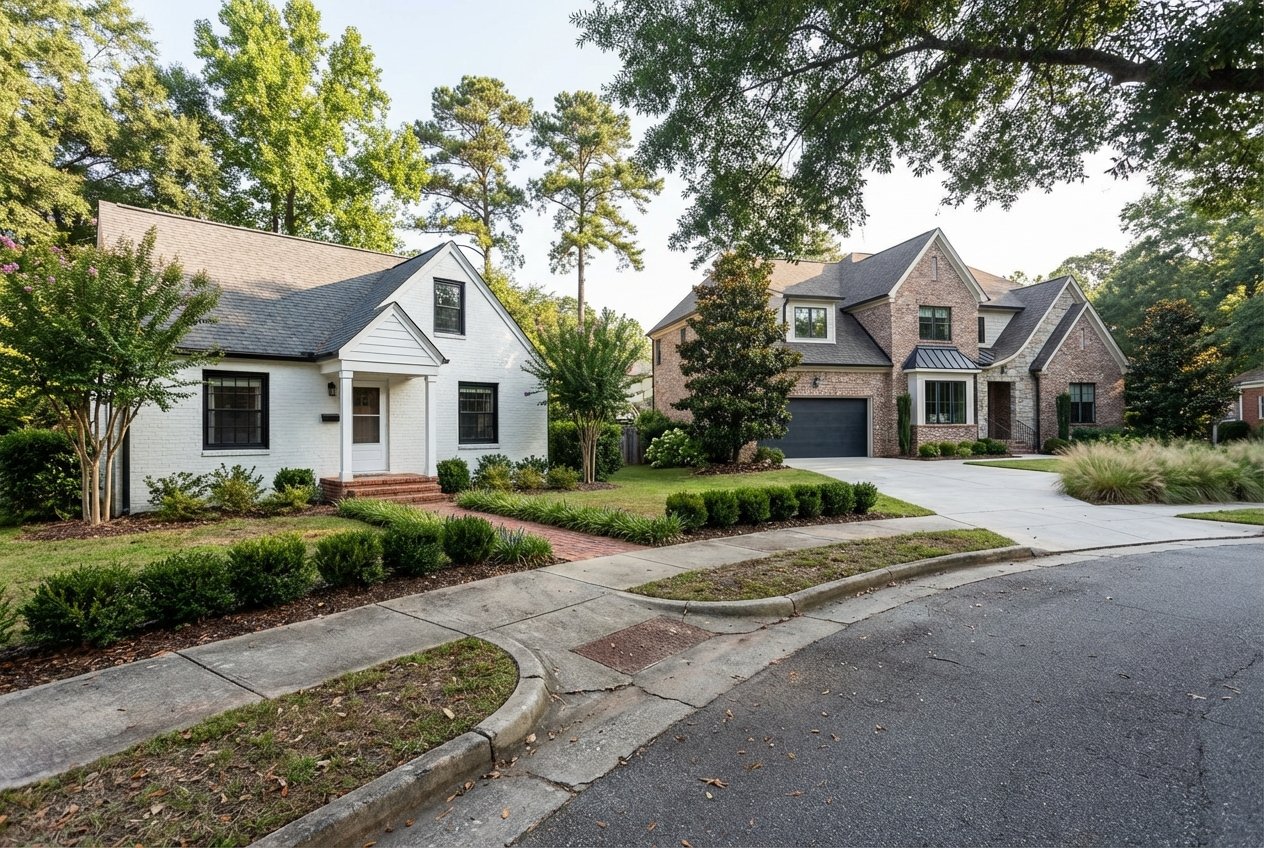
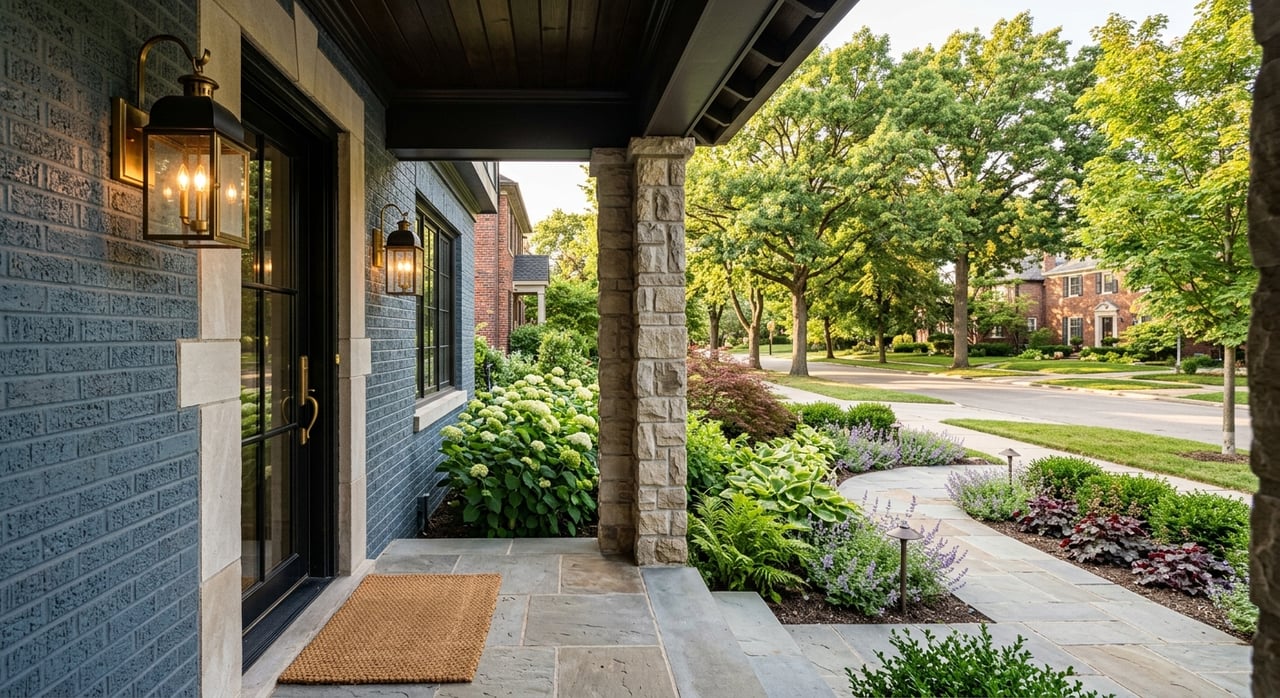
ITB homes skew older and more established. You will find bungalows, Craftsman and mid‑century homes, plus townhomes and small condo buildings on smaller lots. New construction exists but is often infill at a premium price point. Walkability to restaurants and cultural amenities is a common draw.
Suburban options in Cary, Apex, Holly Springs, Wake Forest, Fuquay‑Varina, Morrisville, and Garner often deliver larger single‑family homes, open floorplans, multi‑car garages, and bigger yards. Many are in master‑planned communities with pools, trails, and clubhouses. Those amenities usually come with required HOA fees, so work those dues into your monthly budget.
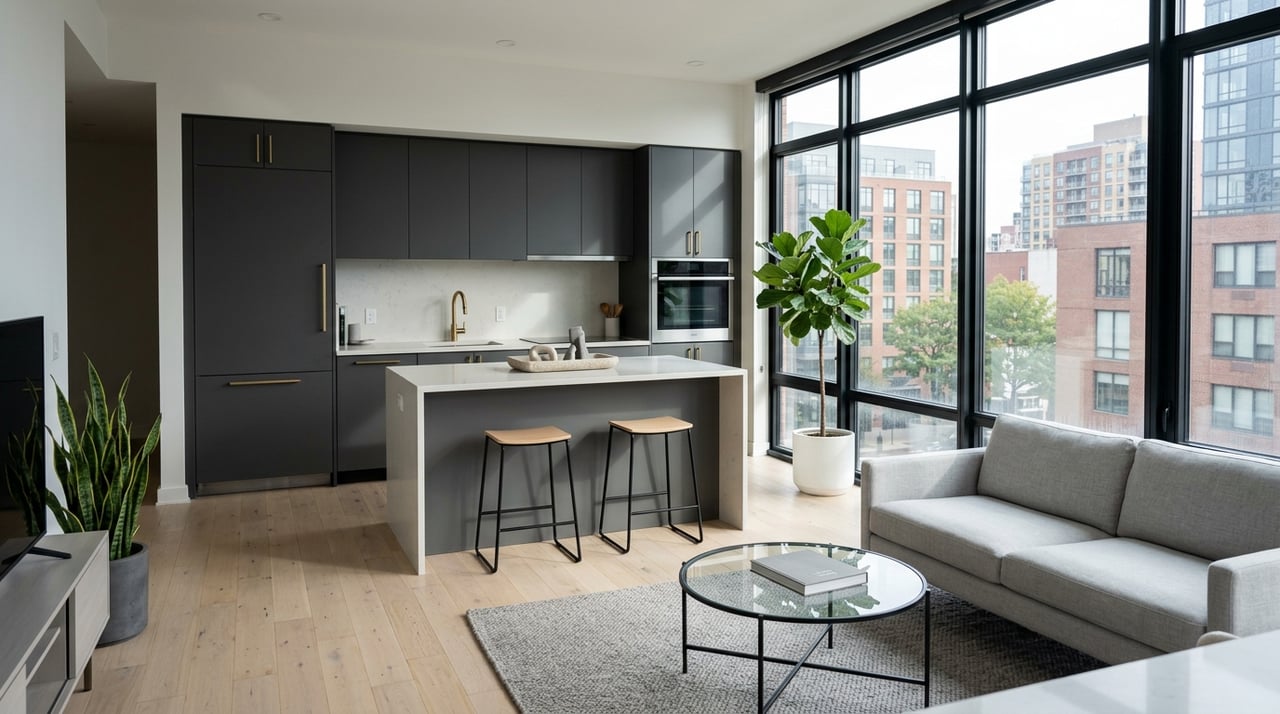
If you value character and location, ITB may feel worth the higher price per square foot. If you want newer systems, more bedrooms, and a backyard for gatherings, a suburban home can offer better utility for the money.
The City of Raleigh’s mean travel time to work is roughly 23 minutes based on American Community Survey estimates. Cary averages about 22 to 23 minutes, and Apex averages about 25 minutes. You can view Raleigh’s profile on Census Reporter. Real‑world rush hour can stretch these numbers, so plan for a likely range of 15 to 25 minutes in many ITB pockets, and 20 to 45 minutes or more from suburbs depending on your job location.
Transit and walkability differ as well. ITB neighborhoods tend to have more frequent local bus routes and better walk scores. Suburbs are more car‑dependent, though some towns, including Cary and Morrisville, offer commuter service to major job centers and RDU. Wake County’s long‑range transit plan includes bus rapid transit corridors and a regional mobility hub. Treat these as future upside rather than present‑day guarantees, and check current routes on GoRaleigh.
Most Raleigh and Wake County addresses fall within the Wake County Public School System. School quality and programs vary by attendance zone, not just district. Before you write an offer, verify the assigned elementary, middle, and high school for the exact address using the WCPSS assignment lookup, and review the latest state accountability data on NC School Report Cards.
Local reporting on the most recent accountability cycle noted graduation rate improvements and provides helpful statewide context on performance trends. See an overview of the latest release from Spectrum News. If schools are a priority, compare two specific homes by their exact assigned schools and the most recent state report card metrics rather than relying on neighborhood names.
Property taxes combine county and municipal rates and can change each fiscal year. Raleigh’s budget process has shown how the city portion can shift owner tax bills depending on assessed value. For context on recent budget discussions, review WRAL’s coverage. You can also explore Wake County tax trends at Ownwell’s Wake County overview, then confirm specific bills with the county tax portal.
HOA dues are common in newer suburban communities and fund amenities and maintenance. Ask for current dues, planned assessments, and rules early in your process. Utility costs also vary by town for water, sewer, and stormwater. Finally, older ITB homes can require bigger line items for roof, HVAC, plumbing, or historic‑appropriate repairs. A focused inspection budget is wise if you choose an older home.
Land‑limited areas can show strong price‑per‑square‑foot resilience over time. For example, an ITB market snapshot showed roughly a 7.9 percent year‑over‑year gain in June 2025, according to Rocket’s ITB report. During hotter cycles, suburban price gains can move quickly too, especially for larger new construction phases that reset neighborhood comps.
When you evaluate resale potential, focus on comps in the exact school pyramid and micro‑neighborhood. New construction closings nearby can shift perceived value, so track both resale and builder sales when they apply.
Use this quick checklist to compare ITB and suburban candidates side by side:
A move‑up decision touches budget, timing, schools, commute, and resale strategy. You do not need to navigate it alone. With deep Triangle market knowledge and hands‑on service under the Compass umbrella, we help you model scenarios, line up pre‑sale improvements through Compass Concierge, and time your sell‑and‑buy for the fewest bumps. You get practical guidance, skilled negotiation, and coordinated vendors so you can move once and move well.
Ready to explore your options ITB or in the suburbs? Let’s talk through data, neighborhoods, and a buying plan that fits your goals. Connect with Steve Jourdain to get started.
Looking to buy, sell, or just have a question? I'm always available to help and would love to work with you.