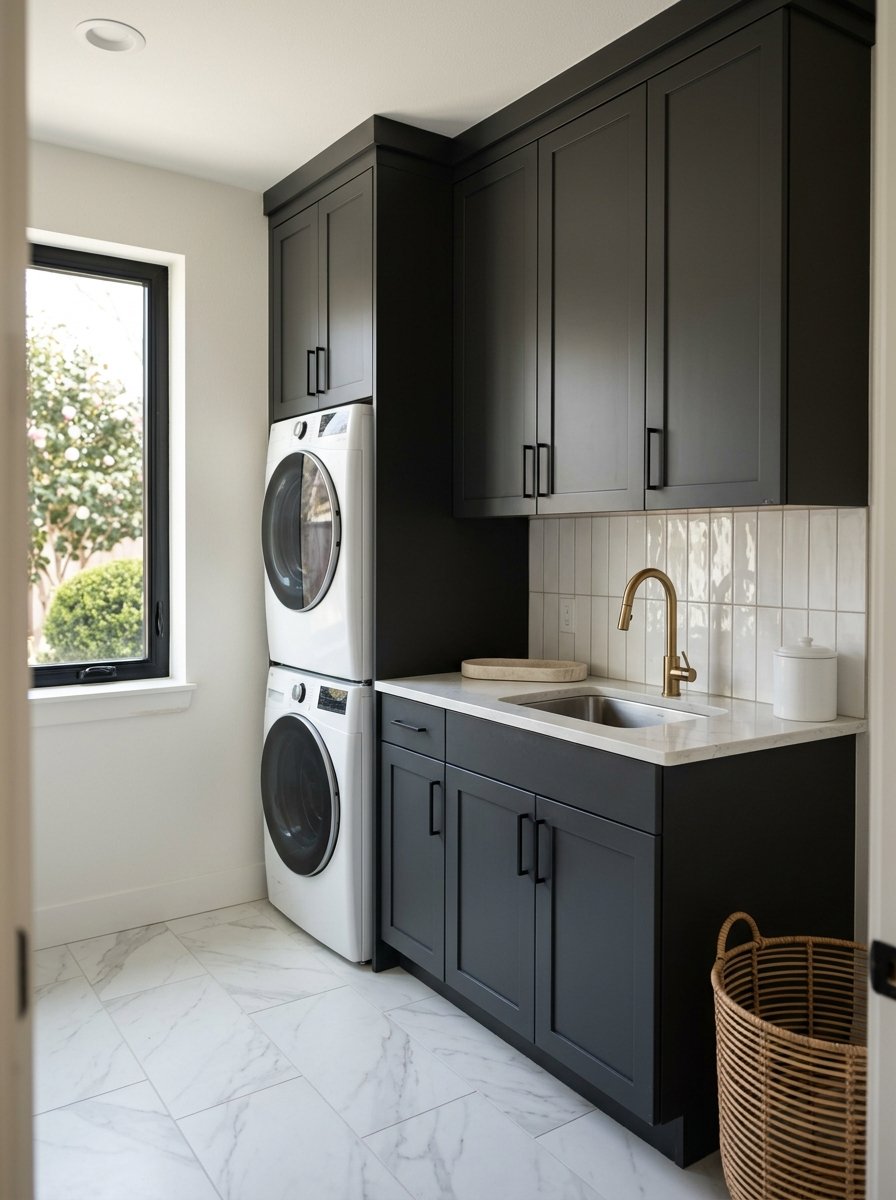
Selling Your Home While Relocating Out of the Triangle
Moving out of the Triangle before your home sells can feel like trying to manage two lives at once. You are packing, changing addresses, starting a new routine, and still trying to protect your home sale back in Raleigh. The good news is that you can handle most of the process from afar with the right plan, the right communication, and the right local support. Let’s dive in.
If you are wondering whether you need to come back to Raleigh for every step, the short answer is usually no. North Carolina recognizes electronic records and signatures, which means many sale documents can be handled digitally when they meet state requirements.
That said, a remote sale is not completely hands-off. North Carolina still requires a licensed North Carolina attorney to supervise a residential closing for real property in the state. Remote electronic notarization may also be allowed, but the notary must be physically located in North Carolina and follow the state’s identity verification and recording rules.
For you, that means the process can be managed from another city or state, but the legal and closing pieces still need to be done the North Carolina way. A smooth remote sale depends on good coordination from listing through recording.
Selling from afar gets much easier when you make key decisions before you leave. The goal is to reduce surprises once your home is on the market and buyers start asking questions.
A strong pre-listing plan usually includes:
This is also where project management matters most. If repairs, staging, photography, and vendor access need to happen after you relocate, having one point of contact can save you time and stress.
Moving out does not remove your disclosure responsibilities. In North Carolina, most residential sellers must provide both the residential property disclosure statement and the mineral and oil-and-gas disclosure before an offer.
These forms are based on your actual knowledge of the property. If they are not delivered before or at the time of the offer, the buyer may have a statutory right to cancel within the allowed window.
This matters even if you no longer live in the home. The seller’s duty is tied to the transaction and what you know, not whether the property is still owner-occupied.
North Carolina real estate guidance warns sellers can face civil liability if they knowingly withhold or misrepresent latent defects. That is why open, honest, written communication is so important.
If you know about a roof leak, plumbing issue, moisture problem, foundation concern, or other material defect, it is better to address it early and document what was shared. Email and written records create a clean paper trail and help reduce confusion later.
If your Raleigh-area home is part of an HOA or planned community, there is more to gather before listing. Required disclosure information can include dues, assessments, association contact details, transfer fees, and certain pending legal matters involving the association.
These details are easy to overlook when you are focused on the move itself. But if you are selling remotely, missing HOA information can slow things down at exactly the wrong time.
If you plan to make updates before listing, do as much as possible before you leave town. Even simple projects can become harder to manage once you are coordinating access, decisions, and invoices from hundreds of miles away.
In Raleigh, many home improvement projects require permits. The City of Raleigh uses its Permit and Development Portal to manage project activity, pay fees, and schedule inspections, and contractor information must be entered before review.
Some homes may also need extra approvals. That can apply to properties in historic districts or homes with private well or septic systems.
Not every project needs to be done before listing. The smart approach is to focus on repairs and updates that improve condition, presentation, and buyer confidence.
That may include:
For sellers who want a more polished launch, this is also where hands-on coordination can make a big difference. Steve Jourdain’s approach includes project management and Compass marketing tools that can help you prepare the home for a stronger market debut.
When you are not local, your listing has to do more of the work for you. Buyers may first experience your home through a phone screen, laptop, or virtual showing. That means photo and video quality are not optional extras. They are core parts of your strategy.
Industry research shows some buyers purchase homes based only on a virtual tour, showing, or open house without physically visiting in person. While that is still a small share of the market, it shows how important digital presentation has become.
A remote-friendly listing strategy should give buyers as much visual and factual clarity as possible. That helps serious buyers feel informed and helps reduce wasted showings.
A strong system may include:
This kind of marketing supports both local and out-of-town buyers. It also helps your home stand out when buyers are comparing multiple listings online.
When you are selling from another location, silence feels bigger. A normal delay can feel stressful when you are not there to see the property, meet vendors, or attend milestones in person.
That is why communication should be built into the process from day one. A clear cadence helps you stay informed without feeling like you need to chase updates.
A remote home sale usually runs better when you have:
This kind of structure is especially helpful after inspections, repair requests, price discussions, and contract changes. It keeps the process moving and gives you a written record of important decisions.
Once your home is under contract, the remote process becomes less about marketing and more about execution. This is where deadlines, signatures, repair coordination, attorney communication, and closing logistics all need to line up.
In North Carolina, the closing attorney supervises the residential closing and handles the legal work for the transfer. Even when documents are signed electronically or notarized remotely under state rules, the closing still needs to be completed under North Carolina requirements.
One key point for absentee sellers is this: in North Carolina ethics guidance, closing is generally presumed complete at the date and time of recording. In other words, recording is the milestone that matters.
If you have already moved, you may wonder how to know the sale is truly finished. In Wake County, recorded documents can be searched online through the county’s records system.
That gives you a practical way to confirm that the deed has been recorded after closing. For remote sellers, this extra visibility can bring real peace of mind.
One of the biggest risks in any remote sale is not the move itself. It is fraud around closing funds.
Consumer guidance warns that scammers may spoof emails from real estate professionals, settlement agents, or attorneys and send fake last-minute wiring changes. Because those messages can look convincing, email alone should never be treated as enough when money is involved.
Use simple habits that lower your risk:
This is one area where slowing down is smart. A quick phone call can help prevent a costly mistake.
Selling from afar is possible, but it works best when the process is built around preparation, documentation, and steady local oversight. You need disclosures handled correctly, repairs managed thoughtfully, marketing that works online, and contract-to-close coordination that keeps everything on track.
If you are relocating out of Raleigh or anywhere else in the Triangle, the right support can make the sale feel much more manageable. A well-run remote listing should give you confidence, protect your time, and help you move forward without losing control of the details.
If you are planning a move and want a clear strategy for selling from afar, Steve Jourdain can help you prepare, market, and manage your Raleigh-area sale with responsive, hands-on guidance.

Looking to buy, sell, or just have a question? I'm always available to help and would love to work with you.