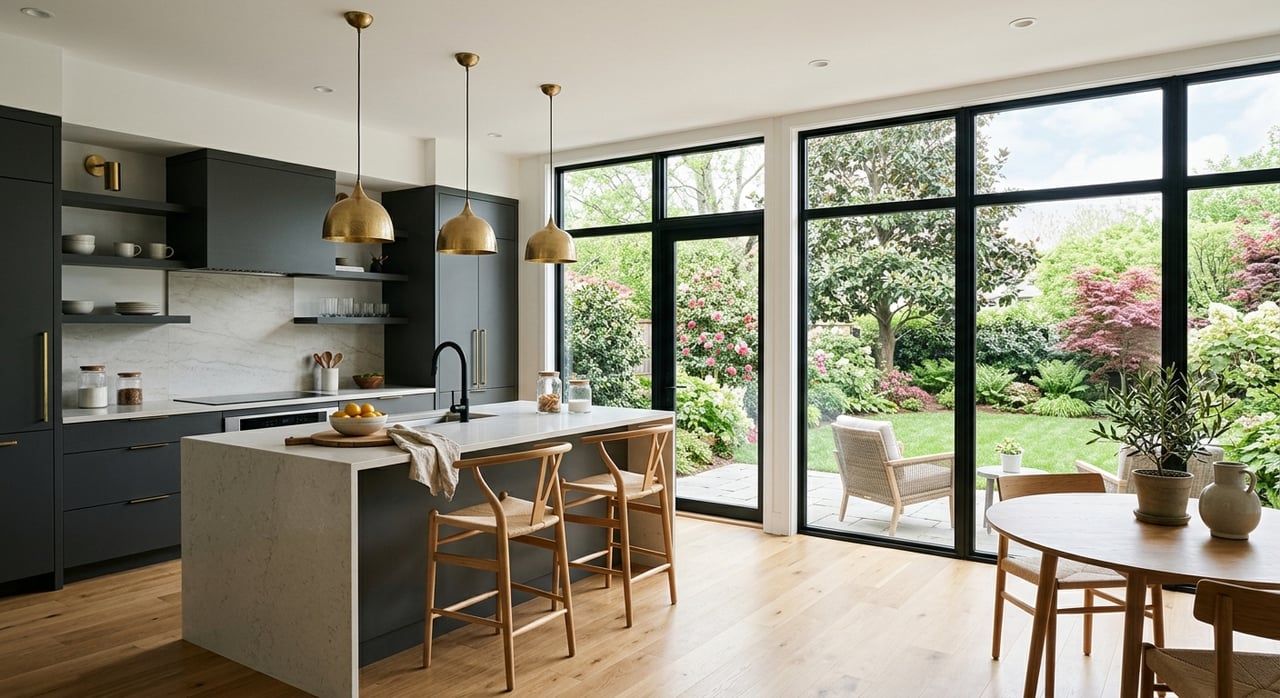
Living in Chapel Hill NC: A Look at Daily Life
Curious what it actually feels like to live in Chapel Hill day to day? If you are thinking about moving to the Triangle, this town often stands out for its university energy, walkable core, and strong sense of activity. The real story, though, is in how people spend an ordinary weekday, get around, enjoy the outdoors, and navigate a housing market that looks different from many other North Carolina towns. Let’s dive in.
Chapel Hill is a smaller town with a big daily presence. The Census Bureau estimates 64,028 residents as of July 2024, and the town continues to grow. Even with that growth, it still feels compact compared with larger Triangle communities.
A lot of that daily rhythm comes from the connection between the town and UNC-Chapel Hill. The university had 20,681 undergraduate students in fall 2024, which shapes everything from foot traffic to dining patterns to the energy around downtown. In practice, that means Chapel Hill often feels lively on a normal Tuesday, not just on weekends.
It also has a distinctly global and educated profile. According to Census data, 76.6% of adults age 25 and older hold a bachelor’s degree or higher, 15.3% of residents are foreign-born, and 20.0% of people age 5 and older speak a language other than English at home. That mix gives the town a more academic and research-centered feel than many people expect.
If you want to understand everyday life in Chapel Hill, start with Franklin Street. The Chapel Hill-Orange County Visitors Bureau describes it as the center of social life for both UNC and the town. That tells you a lot about how closely campus and downtown life are tied together.
Downtown Chapel Hill has more than 200 restaurants, bars, retail shops, and service businesses. So even if you are not someone who wants nightlife, you still benefit from having everyday conveniences, coffee shops, casual food, local services, and public gathering spaces close together. It creates a core that feels usable, not just decorative.
Places like 140 West Franklin and Carolina Square add to that daily convenience. They bring together residential space, retail, parking, and public activity in one area. As a result, downtown often feels like a place where people live and move through regularly, rather than a district that empties out between events.
One reason Chapel Hill stands out is that culture is not saved for special occasions. At UNC, Arts Everywhere describes the arts as part of daily life, and the Ackland Art Museum offers free admission. Carolina Performing Arts also presents events on campus and in downtown Chapel Hill.
That means your week can naturally include more than errands and commuting. You might grab dinner downtown, stop by a museum, or attend a performance without needing a major plan. In Chapel Hill, those experiences are close enough to feel woven into normal life.
The food scene also has real range. Official visitor listings highlight places like Lantern, Mediterranean Deli, and Four Corners, which gives you a quick sense of how the dining mix spans casual meals, student-friendly spots, and more polished options. For residents, that variety makes it easier to keep your routine local.
Chapel Hill’s public realm plays a bigger role in daily life than many buyers expect. The town says 140 West Franklin Plaza is a town-owned and maintained open space used for downtown community events. That matters because it helps keep the center of town active beyond shopping or dining.
In practical terms, public spaces in Chapel Hill tend to support spontaneous activity. You are not just moving from parking lot to storefront. You are more likely to pass through plazas, sidewalks, trail connections, and shared civic areas that make the town feel social and pedestrian-oriented.
Transportation is one of Chapel Hill’s biggest quality-of-life advantages. Chapel Hill Transit is fare-free, operates 21 routes seven days a week, covers 62 square miles, and provides more than 7 million rides per year. For a North Carolina town of this size, that is a meaningful part of everyday mobility.
If you work on or near campus, the system is especially useful. UNC notes that the U and RU campus routes circulate on weekdays every 10 to 15 minutes. That can make short trips feel much easier than driving, parking, and walking.
There are also park-and-ride options at Eubanks Road and in Chatham County off 15-501 near Old Lystra. For people balancing suburban-style driving with a more transit-friendly destination, that flexibility can be a real plus. It gives you more than one way to build your routine.
Even with strong local transit, driving still matters in Chapel Hill. GoTriangle connections link Chapel Hill with Durham, Carrboro, Raleigh, RTP, Southpoint, and RDU through routes such as 400, 405, 800, and CRX. That helps support people whose daily life stretches across the Triangle.
At the same time, many residents still rely on the road network for work and errands. NCDOT notes that the N.C. 54 corridor parallels I-40 and provides access to major employment centers. So Chapel Hill can work well if you want a town-centered lifestyle but still need regional access.
The average travel time to work is 19.5 minutes, according to the Census Bureau. That figure helps explain why Chapel Hill can feel manageable even for busy professionals. You get the benefit of activity and amenities without always trading away convenience.
For many people, the biggest surprise about Chapel Hill is how naturally the outdoors fits into daily life. The town maintains more than 730 acres of public spaces and about 17.6 miles of urban greenways and trails. Those greenways support both recreation and alternative transportation.
The network also connects residential areas, community parks, and shopping centers. That is important because it means trails are not just isolated recreation features. In many cases, they are part of how people move through town.
Battle Branch Trail is a 1.5-mile natural-surface trail that connects Community Center Park, Bolin Creek Trail, and UNC’s campus. Bolin Creek Trail also connects to Umstead Park and downtown through Tanyard Branch Trail. If you like walking, running, or biking as part of your normal schedule, Chapel Hill gives you practical ways to do that.
Pritchard Park, beside the public library, adds another example of how public spaces support everyday use. The town says it includes a natural play area and musical instruments. That kind of setup helps make the town feel interactive and lived-in, not just planned on paper.
If you are considering a move, the housing side of Chapel Hill is important to understand clearly. According to the Census Bureau’s 2020-2024 ACS, the median owner value is $613,700, median monthly owner costs with a mortgage are $2,912, and median gross rent is $1,613. Those numbers are notably higher than North Carolina overall.
For comparison, statewide QuickFacts show a median owner value of $288,900, median monthly owner costs with a mortgage of $1,631, and median gross rent of $1,228. So Chapel Hill is meaningfully more expensive than the state average. Buyers and renters alike should plan for that.
The housing mix also tends to be broader than people sometimes assume. With a 47.4% owner-occupied rate, elevated rents, mixed-use downtown development, and a major student presence, Chapel Hill includes condos, apartments, townhomes, rentals, and detached homes in a very visible way. It is not a one-format housing market.
One interesting part of Chapel Hill is that it combines movement with stability. The Census Bureau reports that 73.7% of residents lived in the same house one year earlier, and the average household size was 2.38 people. That suggests a town with both long-term residents and steady renter activity.
For you as a buyer, that can mean different pockets of the market behave differently. Some homes may appeal to long-term owner occupants, while others may fit people who want proximity to campus, downtown, or mixed-use areas. Understanding that variety matters when you are deciding what everyday life you want.
At its core, Chapel Hill offers a mix that is hard to duplicate. You get a compact town with a highly active downtown, a strong university presence, useful transit, connected outdoor spaces, and a housing market with several lifestyle options. That combination makes the town feel lively, practical, and distinct within the Triangle.
If you are comparing Chapel Hill with other Triangle communities, the real question is not just whether you like the name recognition. It is whether you want a place where campus, culture, public space, transportation, and daily errands are all more closely connected. For many buyers, that is exactly the appeal.
If you want help comparing Chapel Hill with other Triangle areas or figuring out which type of home best fits your routine, Steve Jourdain can help you navigate the options with clear local guidance.

Looking to buy, sell, or just have a question? I'm always available to help and would love to work with you.