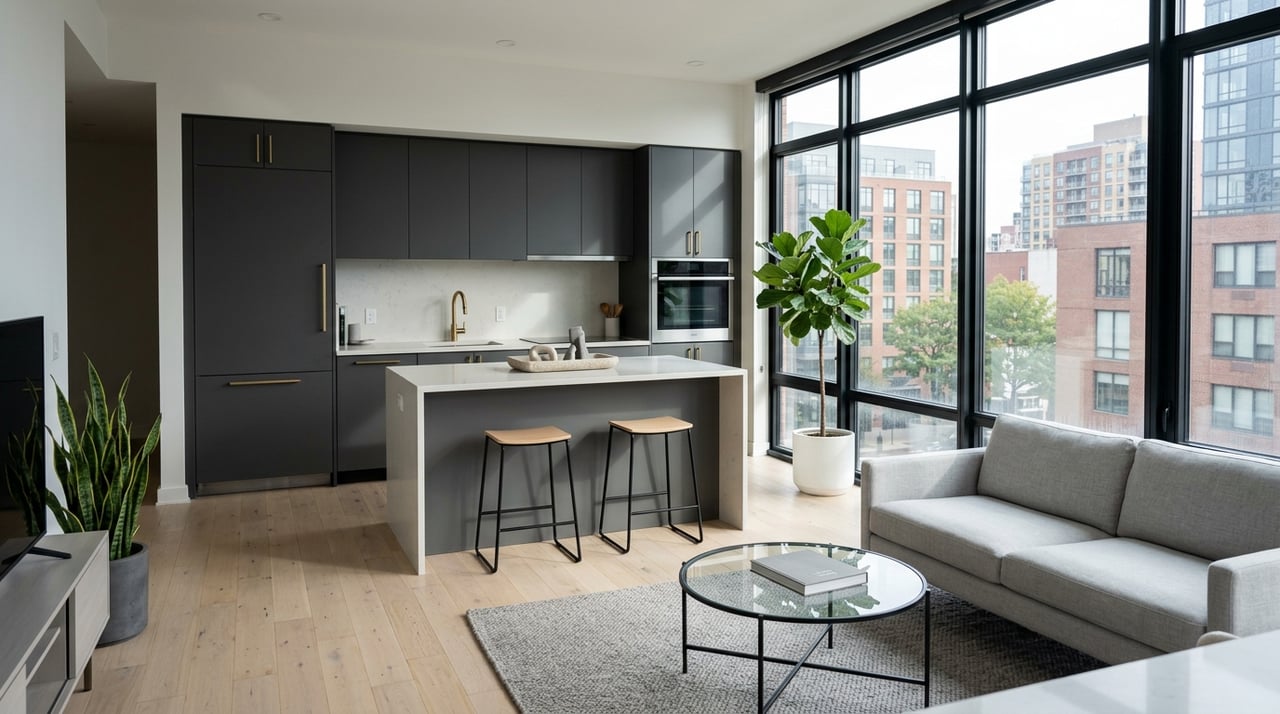
Downtown Raleigh Living Guide for Buyers Considering City Life
If you picture downtown Raleigh as one single vibe, you may be surprised once you start exploring it block by block. Living here can mean a high-rise apartment near nightlife, a condo in a converted mill, or a townhome in a more residential pocket. If you are trying to decide whether downtown fits your lifestyle, this guide will help you understand what daily life really looks like and where you may feel most at home. Let’s dive in.
Downtown Raleigh works best when you think of it as a collection of districts, not one uniform neighborhood. According to the Downtown Raleigh Alliance, the core is made up of six destination districts: Capital District, Fayetteville Street, Glenwood South, Moore Square, Warehouse District, and Seaboard + Person Street.
That matters because each area offers a different pace and street feel. Some parts are more active and entertainment-focused, while others feel more local and residential. If you want to live downtown, choosing the right district is just as important as choosing the right home.
The Capital District is the civic and government center of downtown. It tends to feel more formal and institutional than some of the entertainment-heavy areas nearby. If you like being close to major landmarks and the center of city activity, this district may appeal to you.
Fayetteville Street blends condos, office towers, restaurants, the convention center, and nightlife. This is one of the areas where downtown energy is most visible. You will likely notice a steady mix of workday activity, dining, and events.
Glenwood South is described by the Downtown Raleigh Alliance as the densest residential area downtown. It also remains one of the busiest lifestyle hubs, with housing, restaurants, and nightlife all close together. If you want an active, urban environment, this is one of the first places to explore.
Moore Square offers a mix of housing, park access, and cultural activity. The district feels tied closely to public space and downtown programming. For buyers who want city living with a strong connection to green space and events, it stands out.
The Warehouse District pairs historic industrial character with modern mixed-use living. You will find repurposed brick buildings, newer residential communities, and easy access to everyday amenities. It often feels a little more neighborhood-like while still being firmly urban.
Seaboard + Person Street has a more local, residential feel than some of the busier downtown districts. It combines residences with locally oriented businesses and a more relaxed street experience. If you want downtown access without being in the middle of the busiest blocks, this area is worth a look.
Many buyers assume downtown Raleigh is mostly high-rise condo living, but the housing mix is broader than that. Downtown includes apartments, condos, townhomes, senior housing, and historic conversions. That variety gives you more ways to match your budget, style, and day-to-day needs.
Examples across downtown show that range clearly. SkyHouse Raleigh is a 23-story apartment tower with rooftop amenities, ground-floor retail, and concierge service. Cotton Mill Condos are in a former 1890 textile mill, while Hargett Place offers rowhome-style living and Murphey School Apartments provide senior housing in a Raleigh Historic Landmark.
Some housing types cluster more heavily in certain districts. Glenwood South continues to add residential projects and is known for density. The Warehouse District includes both historic-feeling buildings and newer apartment communities, while Seaboard + Person Street includes townhome and apartment options.
This is helpful if you are narrowing your search by lifestyle. If you want a more vertical, active environment, Glenwood South may fit. If you like character buildings or a slightly more neighborhood-oriented setting, the Warehouse District or Seaboard + Person Street may feel more natural.
A big part of downtown living is how much you can do close to home. Dining, errands, transit, and entertainment are woven into the daily routine. That makes downtown Raleigh attractive for people who want convenience and a more walkable lifestyle.
The local character is also a major part of the appeal. Downtown Raleigh Alliance says 93% of downtown businesses are locally owned, which helps give the area a more independent and distinctive feel than a generic urban center.
Downtown dining is not just for weekends or special occasions. The area includes coffee shops, bakeries, breakfast spots, food halls, casual dining, breweries, and higher-end restaurants. Whether you are grabbing a quick lunch, meeting friends, or picking up dinner on the way home, you have a wide range of options nearby.
Morgan Street Food Hall is one standout example, with 20 culinary concepts in a repurposed warehouse-style building. City Plaza also adds to the everyday outdoor dining atmosphere by giving people space to gather and eat in the center of downtown.
Downtown living works best when your essentials are close by, and Raleigh has practical options. Publix serves Glenwood South, and Weaver Street Market is a key resource in the Warehouse District. Those kinds of everyday anchors can make urban living feel more manageable for buyers who do not want to drive across town for basics.
If you want to live with fewer car trips, downtown Raleigh gives you more options than many suburban parts of the city. The City of Raleigh says the R-Line connects residents, employees, and visitors to restaurants, retail, entertainment, and parking in the Central Business District, with service about every 15 minutes.
Raleigh Union Station adds rail access and GoRaleigh service at the station. The city also notes nearby bikeshare and scooter share options. On top of that, Raleigh’s pedestrian program is continuing work on sidewalks and active mobility projects designed to help people reach parks, transit stops, and other destinations more comfortably.
Even if you plan to walk more, parking is still part of downtown life. The City of Raleigh maintains a downtown parking map, owns eight parking decks, and uses license plate recognition in city decks. For households with a car, or for guests visiting you, that is an important part of the overall convenience picture.
One of the strongest surprises for many buyers is how much green space downtown Raleigh offers. Urban living here does not mean giving up parks or outdoor gathering spaces. In fact, several of downtown’s public spaces are central to everyday life.
Moore Square is a four-acre urban park dating back to 1792. Today it hosts markets, movie nights, music events, games, and other programming. That gives the area around it a strong community rhythm throughout the year.
Nash Square offers another kind of outdoor experience. It is one of Raleigh’s original public squares and serves as a quieter, shaded pause point in the middle of downtown. For residents, spaces like this make it easier to step away from the pace of city blocks without leaving downtown.
Just south and west of the core, Dix Park adds even more room to spread out. The park spans 308 acres and is open daily from dawn to dusk. It includes skyline views, a dog park, play spaces, and a full calendar of events.
That kind of access matters if you want downtown convenience without feeling boxed in. It gives you a large outdoor destination close enough to become part of your regular routine.
Downtown Raleigh is not just a place where events happen occasionally. Arts, entertainment, and community programming are built into the experience of living there. If you enjoy being able to walk to performances, museums, or public events, downtown offers a concentrated mix.
The Martin Marietta Center for the Performing Arts has served as a cultural focal point since 1932. Red Hat Amphitheater adds another major venue right in the heart of downtown, with skyline views and different seating formats. City Plaza also hosts events year-round and offers free Wi-Fi.
Museums and family-oriented attractions are part of the mix as well, including the North Carolina Museum of Natural Sciences, Marbles Kids Museum, Artspace, and the City of Raleigh Museum. For residents, that means culture is not something you plan around once in a while. It is woven into the neighborhood experience.
Downtown Raleigh can be a great fit, but it is not the right fit for everyone. If you value walkability, dining, condo or townhome options, transit access, and regular activity, downtown may feel like a strong match. If you want a large yard or a quieter suburban pace, other parts of Raleigh may suit you better.
It is also worth remembering that the busiest areas are not the same as the calmest areas. Glenwood South and Fayetteville Street tend to carry the most activity, while Seaboard + Person Street and parts of the Warehouse District often feel more residential. Knowing your personal comfort level with energy, foot traffic, and event density can help you choose wisely.
Another factor that shapes the downtown atmosphere is Sip n’ Stroll Downtown. The City of Raleigh says this designated social district allows visitors to responsibly carry alcoholic beverages within clearly marked areas from 10 a.m. to 10 p.m., seven days a week.
That does not define every downtown block, but it does add to the pedestrian and social feel in parts of the core. For some buyers, that energy is part of the appeal. For others, it is simply something to understand before choosing a location.
The best way to think about downtown Raleigh is as a set of lifestyle choices within one compact urban core. You can find lively streets, historic character, practical errands, transit access, parks, and arts programming, often within a short distance of each other. That combination is a big reason downtown continues to attract buyers who want convenience and city energy with a strong local identity.
If you are thinking about buying a condo, townhome, or other home in or near downtown Raleigh, it helps to work with someone who understands how these micro-areas differ in feel, housing stock, and day-to-day function. If you want help comparing downtown options with other Raleigh neighborhoods, connect with Steve Jourdain to schedule a consultation.
Looking to buy, sell, or just have a question? I'm always available to help and would love to work with you.