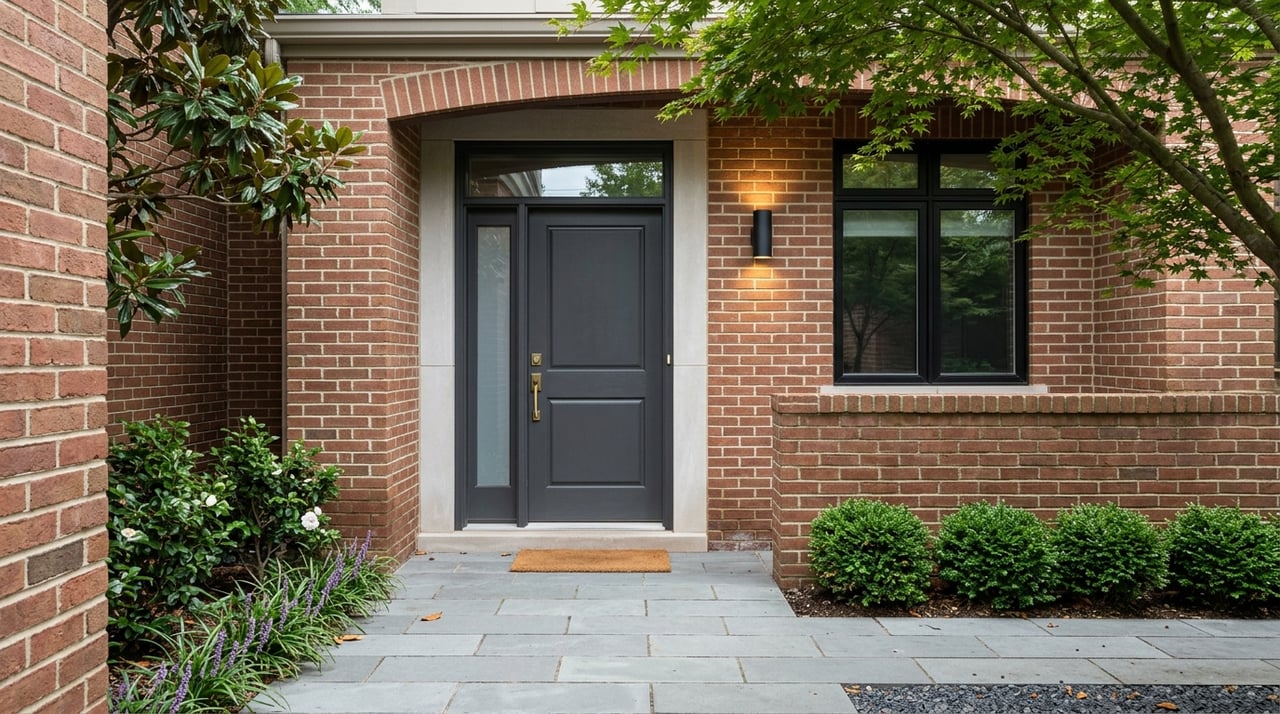
Buying A Rental Property In Raleigh Neighborhoods
Thinking about buying a rental property in Raleigh? You are not alone, but this market asks for more than a quick online search and a rough rent estimate. If you want a smart long-term hold, you need to understand how neighborhood pricing, rent ranges, property type, taxes, and local rules all work together. This guide will help you look at Raleigh rental opportunities with a practical investor mindset. Let’s dive in.
Raleigh offers a large housing market with a meaningful renter base, which is one reason many buyers consider it for long-term rental property ownership. Census data shows Raleigh had 499,825 residents in 2024, while Wake County had 1,129,410 residents. Raleigh’s owner-occupied housing rate was 50.7%, compared with 64.1% in Wake County.
Rent benchmarks also support investor interest, but it is best to treat them as a range instead of a single number. Census QuickFacts shows median gross rent of $1,572 in Raleigh and $1,623 in Wake County, while Zillow reported an average Raleigh rent of $1,579 as of June 30, 2026. That points to steady rental demand, but not a guarantee of fast lease-up or strong cash flow on every property.
Raleigh home values remain in the mid-$400,000s citywide. Zillow places the average Raleigh home value at $436,056, down 2.1% over the past year, with homes going pending in about 19 days. Zillow Rental Manager also reported 1,973 available rentals and described the rental market as cool in July 2026, which suggests a market where careful underwriting matters.
Before you compare neighborhoods, decide what kind of rental you want to own. In Raleigh, detached single-family homes and townhomes are often the easiest places to start because they are common housing options across the city. Condos can also work, but they require more document review before you buy.
Your strategy should match your goals. If you want a lower-maintenance property, a townhome or condo may look appealing. If you want broader renter appeal over a longer hold period, a single-family home may fit better depending on location, parking, yard space, and layout.
A common mistake is shopping by price alone. In Raleigh, a lower purchase price does not always mean stronger rent performance, and a higher rent number does not automatically mean better returns. You need to compare price, rent, taxes, HOA costs, maintenance exposure, and leasing restrictions together.
Neighborhood data is useful, but it should be treated as a starting point rather than a final investment conclusion. The neighborhood value pages and rent medians in the research are directional anchors, not underwriting comps. They can help you narrow your search, but you still need current comparable rents and property-specific numbers.
Here is a simple snapshot of several Raleigh neighborhood anchors:
| Neighborhood | Typical Home Value | Median Rent |
|---|---|---|
| Five Points | $804,036 | $1,762 |
| North Hills | $553,587 | $1,608 |
| Brier Creek | $443,651 | $1,784 |
| Downtown Raleigh | $500,239 | $2,095 |
| Historic Oakwood | $343,991 | $1,461 |
These numbers show how wide Raleigh’s spread can be. Zillow’s neighborhood pages place typical home values from about $296,665 in Southeast Raleigh to $1,263,914 in Glenwood. That range matters because your entry cost can change dramatically depending on where you buy.
Five Points carries a high typical home value at $804,036, while its median rent is $1,762. North Hills also shows a relatively high value at $553,587 with a median rent of $1,608. On a simple price-and-rent screen, those areas may look less rent-efficient than some other options.
Downtown Raleigh stands out for rent, with a median of $2,095 and a typical home value of $500,239. Brier Creek also looks notable, with a typical home value of $443,651 and a median rent of $1,784. Based on these snapshots alone, both may appear more rent-efficient than some higher-priced neighborhoods, though this is not a cap-rate calculation.
Historic Oakwood shows a lower typical home value at $343,991 and a median rent of $1,461. That may catch an investor’s eye on the entry side, but it still requires property-level analysis. Older housing stock, layout, repair needs, and upkeep can all affect the real numbers.
Not every neighborhood works the same way for every rental product. A detached house, townhome, and condo may perform very differently even when they sit in the same general part of Raleigh. That is why your property type decision should happen early.
Single-family rentals can be appealing if you want a longer hold and a broader pool of renters looking for more space, parking, or outdoor area. In Raleigh, this product type often lines up well with buyers who want flexibility across different neighborhood styles. It can also offer more control than a property governed by a homeowners association.
That said, more control can also mean more maintenance responsibility. Roofs, yards, driveways, and exterior repairs can all affect your budget. A house that looks like a bargain upfront can become expensive if you underestimate ongoing upkeep.
Townhomes can be a strong middle-ground option. They may offer a lower entry point than some detached homes while still giving you a layout that appeals to many renters. In some Raleigh areas, they can be an efficient way to balance purchase price and rental potential.
The key issue is the HOA. Dues can materially change your monthly numbers, and community rules may affect leasing, parking, exterior changes, and tenant use. Before you close, review the governing documents and the association’s assessment history carefully.
Condos may reduce some exterior maintenance burden, which sounds attractive to many investors. But in North Carolina, condo declarations can include restrictions on use, occupancy, and alienation. In plain terms, the documents may limit whether, when, or how a unit can be rented.
That is why condo due diligence needs extra attention. Review the declaration, bylaws, rules, leasing caps, minimum lease terms, parking rules, and assessment history before you buy. A condo that looks easy on paper may not work for your rental plan if the documents are restrictive.
A rental property decision should never rest on rent and mortgage alone. In Raleigh, taxes, repairs, vacancy risk, and compliance costs can all shape the outcome. A property that looks fine in a quick spreadsheet may feel very different after a full review.
One important local cost is property tax. Raleigh’s FY26 city tax rate is 35.50 cents per $100 of assessed value, and Wake County’s 2025 rate is 51.71 cents per $100. That creates a combined rate of 87.21 cents per $100 before any special district or other location-specific charges.
On a $300,000 assessed value, that works out to about $2,616.30 per year. As values rise, that line item rises too. If you are comparing multiple neighborhoods, taxes should be part of your screening process from day one.
You should also factor in:
If you plan to become a landlord, understanding the rules before closing can save you time and money later. Raleigh’s housing code requires homeowners and landlords to keep homes in good condition. The City’s Code Enforcement Division can inspect dwellings to ensure they meet minimum standards.
If a dwelling has an order to repair, vacate, or demolish, it cannot be rented again until the City issues a certificate of housing code compliance. That makes pre-purchase due diligence especially important. You want to know whether the property has repair issues that could delay your rental timeline.
Raleigh also recommends inspecting a unit before agreeing to rent it and documenting needed repairs in writing. That is a good habit for investors during acquisition as well. A detailed inspection and clear repair list can help you avoid surprises after closing.
Under North Carolina law, landlords must maintain electrical, plumbing, sanitary, heating, ventilating, air-conditioning, and other landlord-supplied facilities in good and safe working order after written notice from the tenant, except in emergencies. This means your maintenance plan is not optional. It is part of owning the asset responsibly.
North Carolina sets limits on security deposits based on lease length. For week-to-week leases, the cap is two weeks’ rent. For month-to-month leases, the cap is one and one-half months’ rent. For longer leases, the cap is two months’ rent.
The deposit must be held in a trust account or bonded. When the tenancy ends, the landlord must provide a written accounting and refund any amount not lawfully retained within 30 days. If the final claim cannot be determined within 30 days, the law requires an interim accounting within 30 days and a final accounting within 60 days.
These rules matter because they affect your move-in process, bookkeeping, and turnover systems. If you are buying your first rental, it is smart to build those procedures before you sign your first lease.
Raleigh’s tenant guide notes that lease terms can address rent amount, lease length, who may live in the unit, and prohibited activities such as noise, broken-down cars, and pets, as long as the terms do not conflict with North Carolina law or city ordinances. For investors, that is a reminder to be specific. A vague lease often creates avoidable problems.
Your lease should clearly address the practical details of the property. That may include utilities, parking, yard care, trash, filters, pets, maintenance expectations, and any community rules that affect day-to-day use. The more property-specific the lease is, the easier it is to manage expectations.
North Carolina allows owners to charge as much rent as they wish, so there is no local rent control assumption to build into your analysis. But that does not mean any asking rent will work in the market. Your numbers should still be based on current comparable rentals, condition, and competition.
When you evaluate a rental property in Raleigh, keep your process simple and disciplined. A solid checklist can help you avoid buying on emotion.
Raleigh is not a one-number market. Entry price, rent potential, property type, and neighborhood character can vary widely across the city. A rental that makes sense in Brier Creek may not pencil the same way in Five Points, North Hills, or Downtown Raleigh.
That is where local guidance becomes valuable. You want someone who can help you compare neighborhoods, spot issues in HOA documents, think through resale potential, and keep the process grounded in real market conditions. For investor buyers, that kind of practical support can make the difference between a decent purchase and a durable one.
If you are considering a rental property in Raleigh and want a clear, local perspective, connect with Steve Jourdain for a consultation.
Looking to buy, sell, or just have a question? I'm always available to help and would love to work with you.