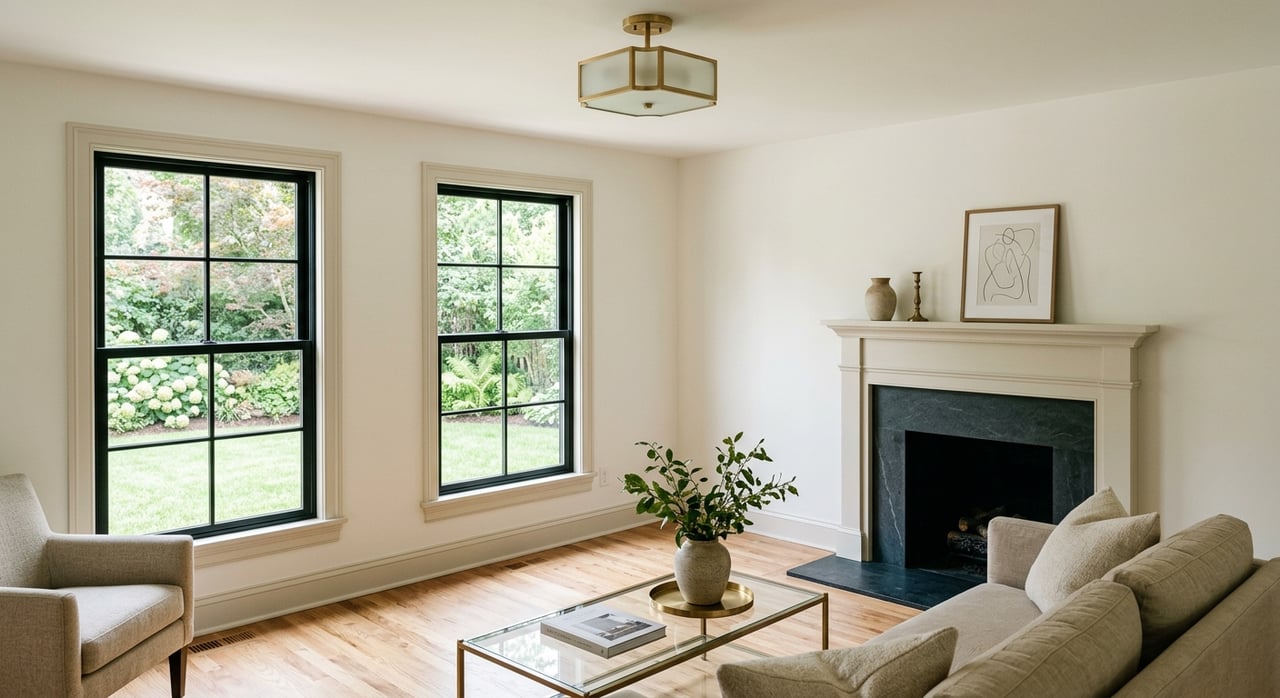
Using Compass Concierge To Refresh Older Durham Homes
Wondering whether it is worth updating an older Durham home before you list it? In many cases, the answer is yes, especially when the goal is not a full remodel but a smart refresh that keeps the home’s character while removing distractions for buyers. If you are preparing to sell, understanding how Compass Concierge works can help you make practical upgrades without paying everything upfront. Let’s dive in.
Durham has a substantial supply of older homes, and many of the city’s oldest neighborhoods have average residential construction years in the 1920s and 1930s. The city’s history also reflects early millworker housing, 1930s rental conversions, postwar suburban growth, and later infill. That mix creates many homes with real charm, along with surfaces and systems that may feel dated to today’s buyers.
For sellers, that usually points to a clear strategy. The goal is often to preserve character, update visible finishes, and reduce buyer objections rather than take on a major renovation. Small and moderate improvements can help an older home feel more polished without stripping away what makes it appealing.
Durham’s current market also makes presentation matter. According to the Durham Regional Association of REALTORS® May 2026 market page, Durham City had 580 new listings, a median sales price of $422,915, and 20 median days on market. When homes are moving in that kind of environment, launch-ready condition can play an important role in how your property is received.
Compass Concierge is designed to help sellers prepare a home for market. Compass says the program fronts the cost of eligible home-improvement services with zero due until closing. The program is available only to sellers who list with Compass.
Compass also states that repayment is triggered when the home sells, when the listing ends, or when 12 months pass from the Concierge start date. Loan eligibility is subject to credit approval and underwriting by Notable, Compass is not the lender, and fees or interest may apply depending on the state. Compass also notes that results are not guaranteed.
In plain terms, Concierge works best as a pre-listing optimization tool. It is usually most useful when you want to improve first impressions, address visible wear, and create stronger listing photos before your home hits the market.
Compass says Concierge can cover more than 100 services. For older Durham homes, some updates tend to make more sense than others.
These are often the highest-impact updates for the least disruption:
These projects can change how a home looks online and in person without changing the layout. For many older properties, that is exactly the right approach.
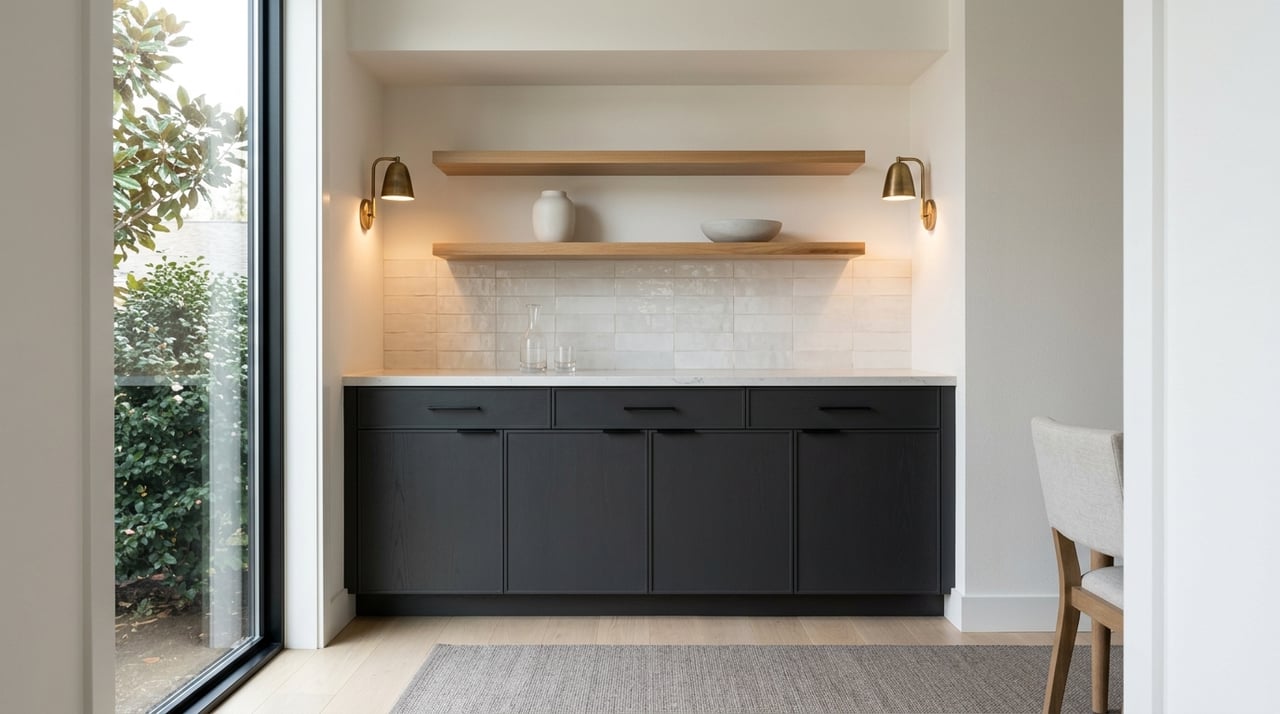
Some homes need more than cosmetic touch-ups but still do not call for a major remodel. In those cases, updates like these may be worth considering:
In older Durham homes, these improvements can help align the property with current buyer expectations while keeping original details intact. That balance is often where sellers see the most value.
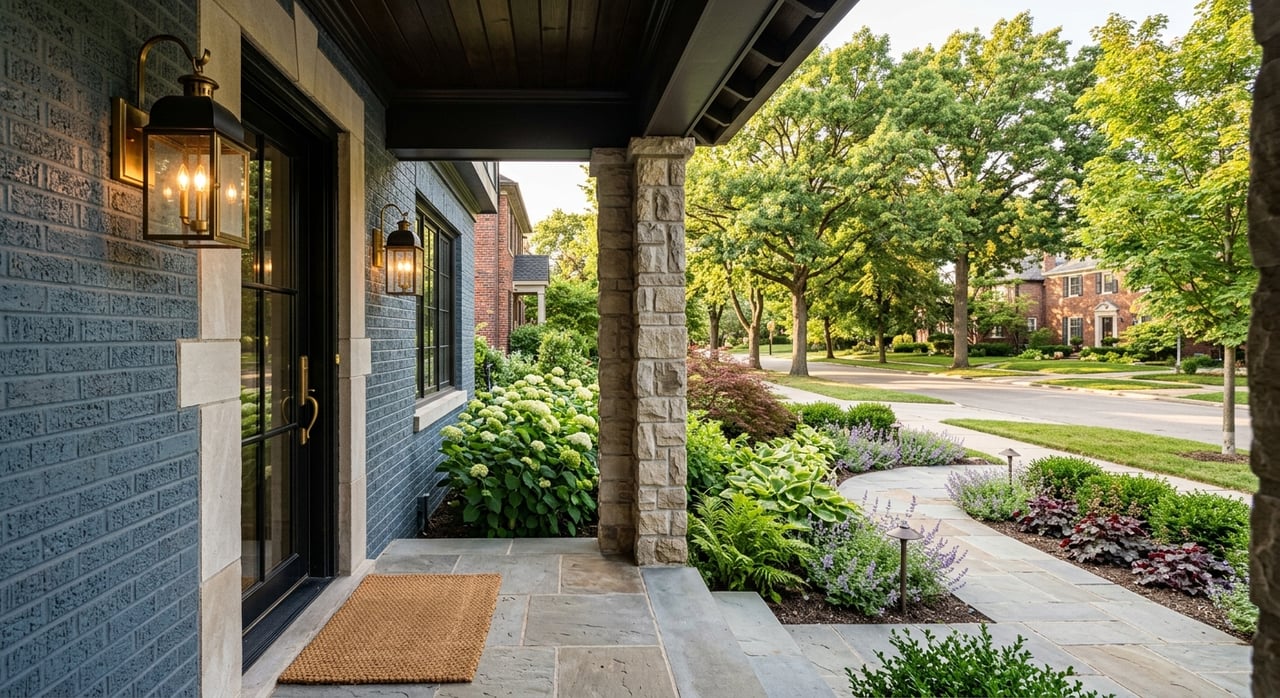
When buyers look at older homes, they often respond quickly to what they can see and feel. Scuffed floors, dark rooms, worn paint, or clutter can distract from great bones and attractive architecture. A focused refresh helps buyers notice the home itself instead of its deferred maintenance.
That matters even more in online marketing. Clean surfaces, fresh paint, better lighting, and thoughtful staging can make a home photograph more effectively, which helps it stand out when buyers first see it in a listing.
For many Durham sellers, the most practical use of Concierge is to improve the home’s first impression before showings begin. That can help your property come to market looking cleaner, more current, and more competitive.
Not every project is purely cosmetic. If your refresh involves more substantial work, you may need to account for permits and city review.
Durham City-County Building & Safety says a building permit is required for any project involving load-bearing work or any project exceeding $40,000 in market value. The department also states that electrical permits are required for wiring or equipment changes, mechanical permits are required for HVAC work, and plumbing permits are required for new construction, additions, alterations, and replacements.
The city also offers a multi-trade permit for coordinated projects. If your pre-listing work touches more than one system, that can become part of the planning process.
The main point is timing. A simple paint-and-stage plan may move quickly, while electrical, plumbing, HVAC, or structural work can add approvals and scheduling steps. If you want to list on a specific timeline, it is smart to identify those issues early.
Some older Durham homes may also be subject to historic-preservation review. The city says modifications to a locally designated historic property require approval of a Certificate of Appropriateness before work begins or before a permit can be approved.
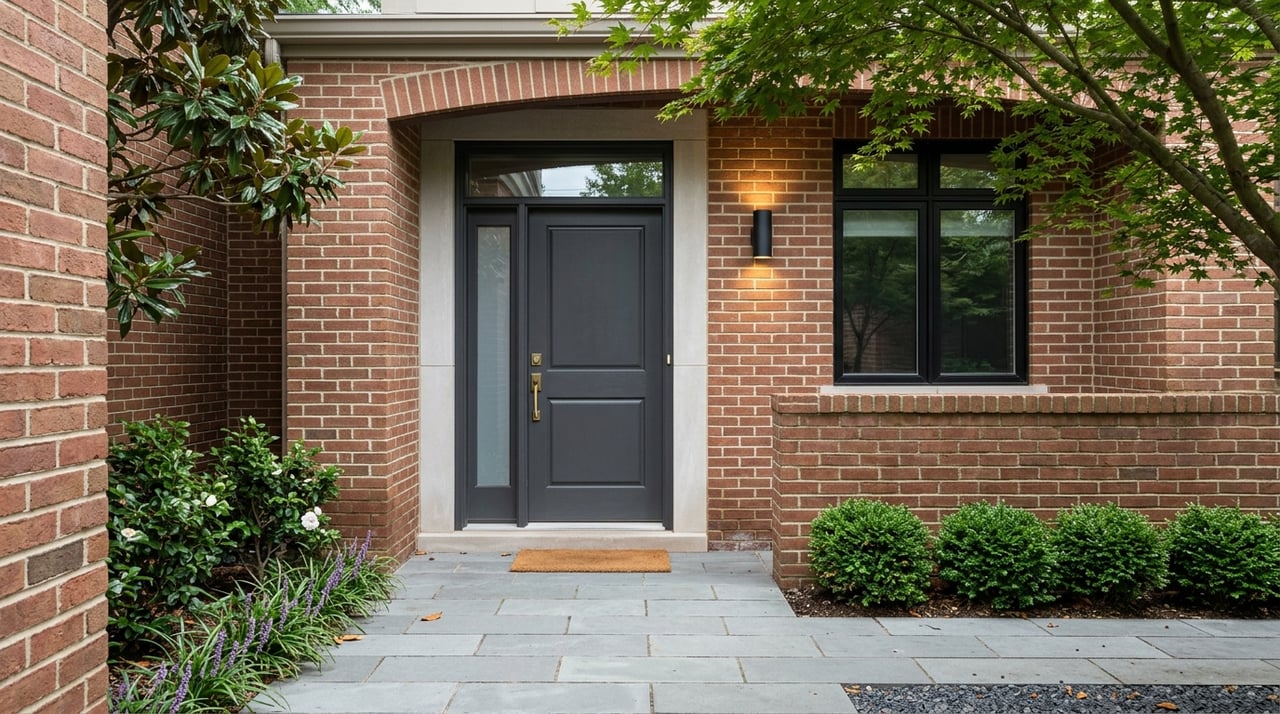
The city’s Certificate of Appropriateness guidance lists exterior and site changes such as siding, windows, doors, landscaping, lighting, paving, walls, and fences as examples that may need review. Routine maintenance does not require a COA, but that does not remove other permit requirements.
For timing, the city says minor COA applications are generally reviewed within 10 business days. Major COAs require a pre-submittal conference and then move through monthly Historic Preservation Commission hearings. If your home is historic, your project timeline may depend more on review and approvals than on the Concierge setup itself.
The biggest mistake sellers can make is over-improving for the market or choosing projects that add time without adding much visual impact. With older Durham homes, a targeted scope is usually the smarter move.
A good refresh often starts with three questions:
That usually leads to a plan built around paint, floors, lighting, landscaping, cleaning, and staging, with selective repairs where needed. If kitchens or baths feel dated, a cosmetic approach may make more sense than a full replacement, especially when the goal is to launch efficiently.
Compass describes a straightforward process: the agent helps set an estimated budget, coordinates vendors, the work is completed, and the home goes on the market after the project is finished. Repayment happens at one of the program’s stated trigger events.
In practice, the timeline for an older Durham home depends on project scope. Cosmetic work may move fairly quickly, while historic review, permits, and contractor availability can extend the schedule. That is why early planning matters.
If you are aiming for a specific list date, it helps to start with a realistic walkthrough and a short list of priorities. The right plan is not always the biggest one. It is the one that helps your home present at its best when buyers first see it.
In a market where Durham City posted a median of 20 days on market in May 2026, preparation matters. Buyers may move quickly, but they still compare condition, presentation, and perceived upkeep from one home to the next.
For older homes, that makes a pre-listing refresh especially useful. You can keep the details that give the property personality while addressing the finishes and maintenance items that may hold it back. Done thoughtfully, that approach can help your home enter the market in a stronger position.
If you are considering selling an older home in Durham, a focused Concierge plan can make the process more manageable. With the right scope, the right timing, and careful attention to permits or historic review when needed, you can create a cleaner launch and a more confident listing strategy. If you want help building that plan, Steve Jourdain can guide you through the pre-listing process and coordinate the details.
Looking to buy, sell, or just have a question? I'm always available to help and would love to work with you.