Durham Bungalow vs Townhome: Which Home Fits Your Life?
Wondering whether a Durham bungalow or townhome makes more sense for your next move? It is a smart question, because these two home styles can offer very different day-to-day experiences even when their prices are closer than you might expect. If you are weighing charm, maintenance, commute, and budget, this guide will help you sort through the tradeoffs and choose the option that fits how you actually live. Let’s dive in.
Durham gives you a real mix of housing options. You will find early-20th-century bungalows in older neighborhoods and newer townhomes in both infill locations and more suburban-style settings. That variety is part of what makes the decision less about a single price ladder and more about lifestyle fit.
The City of Durham defines a townhouse as three or more attached dwelling units on individual lots that share side walls. In practical terms, that often means a more compact lot pattern, less yard to care for, and layouts designed around attached living. A bungalow, by contrast, is usually a detached home with outdoor space on all sides and more separation from neighbors.
If you assume townhomes are always cheaper than bungalows, Durham’s market shows it is not quite that clean. Redfin reports a May 2026 median sale price of $424,746 for Durham overall, while its Durham townhome page shows a median listing price of $357K for townhouses. That suggests townhomes often sit below the citywide price center, but it is not a perfect apples-to-apples comparison because one figure is sales data and the other is listing data.
Current examples also show overlap. Recent Durham townhome listings ranged from about $314,990 to $469,000, with some offering features like garages, courtyards, and HOA-supported maintenance. Meanwhile, updated bungalows in close-in areas such as West End have been listed around $466,900 and $475K, and a renovated Trinity Park bungalow reached $725K.
That means your best comparison is usually not just sticker price. It is the full monthly cost and what you get in return.
When you compare a bungalow and a townhome, look at these costs together:
A townhome may come in with a lower price but include monthly HOA dues. A bungalow may give you more land and character, but it can also bring more repair and maintenance responsibility over time.
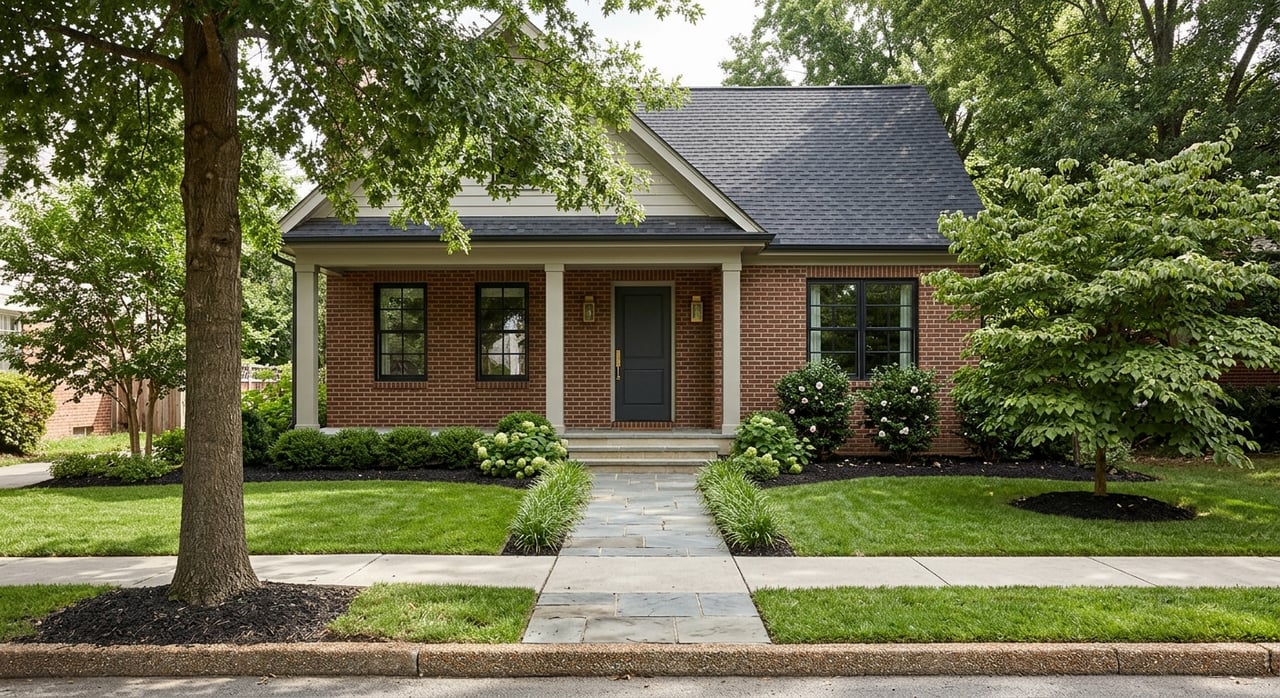
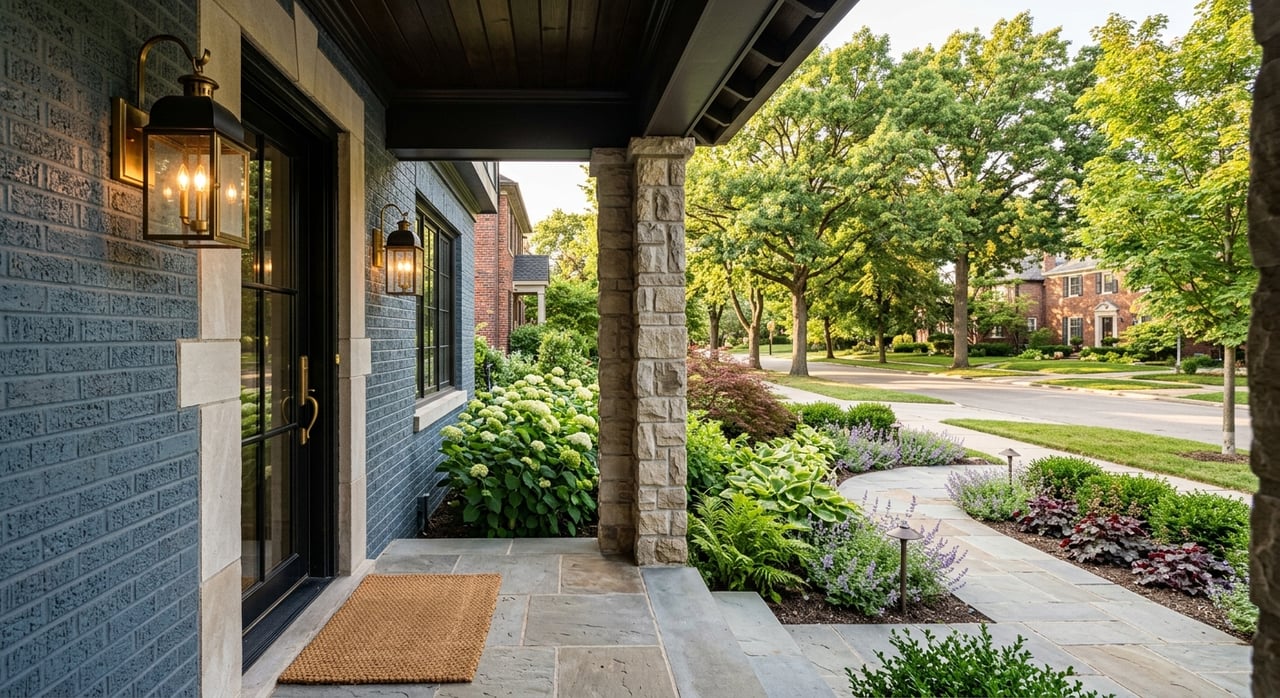
Many Durham buyers are drawn to bungalows for a reason. Current listings in close-in neighborhoods highlight features like covered front porches, screened porches, detached garages, off-street parking, fenced lots, mature trees, and shaded yards. If you picture yourself sipping coffee on a porch or enjoying private outdoor space, a bungalow may feel like home right away.
That said, more outdoor space usually means more work. Landscaping, exterior painting, drainage, tree care, and routine yard upkeep tend to land on you. If you love the look and feel of an older detached home, it helps to go in with clear eyes about the ongoing responsibility.
Census Bureau data shows that new owners of older homes spent a median of $3,900 per year on upkeep, compared with about $1,500 for longtime owners. Across older-home owners overall, the median annual upkeep was about $1,800. Those numbers do not mean every bungalow will be expensive to maintain, but they do support setting aside reserves for things like:
A careful inspection matters with any home, but it is especially important when you are buying an older property with more original elements.
If your goal is lower-maintenance living, a townhome may be the easier fit. Durham townhome listings often emphasize low-maintenance ownership, garage parking, and compact outdoor areas like decks or private courtyards. For many buyers, that tradeoff is worth it.
You may give up a large yard, but you can gain predictability. Shared walls, smaller exterior areas, and HOA-managed elements can reduce the amount of routine work on your plate. That setup can be especially appealing if you travel often, work long hours, or simply do not want weekends filled with home maintenance.
Some Durham townhomes include HOA dues, such as one recent example with a $195 monthly HOA. That does not automatically make a townhome more or less affordable. It just changes how your housing costs are structured.
Before you buy, make sure you understand:
A townhome can be a strong fit if you prefer a more streamlined ownership experience and are comfortable with shared community rules.
For many Durham buyers, the real choice is not just bungalow versus townhome. It is where you want to be every day.
Durham has major employment anchors in different parts of the city and region. Duke University and Duke Health are major drivers on one side of town, while Research Triangle Park stretches across Durham and Wake counties and includes more than 250 businesses. Your work pattern can shape which home style feels more convenient.
A current West End bungalow example notes that it is less than a mile from Duke University and Downtown Durham and about 15 minutes from RTP and RDU. That kind of location can be a strong fit if you want easier access to downtown dining, entertainment, and a more established neighborhood setting.
Downtown Durham offers a lot to plug into. DPAC sits in the heart of downtown near restaurants, shops, and live music, and the American Tobacco Campus adds restaurants, offices, open green space, and the Durham Bulls Athletic Park nearby. If you want a home base that supports a walkable or close-in routine, a bungalow may line up better with that lifestyle.
Some Durham townhome listings highlight quick access to Brier Creek, Highway 98, RTP, and RDU. If you spend more time driving to work, catching flights, or moving around the Triangle by car, that convenience may matter more than having an older home near downtown.
This is why lifestyle fit is so personal. One buyer wants a porch near downtown. Another wants a garage and fast access to RTP. Both can be making the right call.
If you are considering an older Durham bungalow, historic status is worth checking early. Durham has eight designated local historic districts, and the city notes that Watts-Hillandale includes middle- and working-class bungalows built on smaller lots in the 1910s through the 1930s. These homes can offer a lot of charm and neighborhood character.
But not all historic designations work the same way. Durham says a local historic district is a zoning overlay, and exterior changes require a certificate of appropriateness. National Register listing alone does not create the same private-property restrictions.
Before you fall in love with a bungalow, confirm whether the property is:
That distinction can affect future plans for windows, siding, additions, porches, or other visible exterior updates. It is not necessarily a reason to avoid a home, but it is an important part of the ownership picture.
Parking and outdoor living can make a huge difference in how a home feels after move-in. Durham bungalow listings often advertise detached garages, driveways, off-street parking, and larger fenced or shaded lots. Those features can be a big plus if you want storage, gardening space, or more separation.
Townhomes often answer the parking question differently. Some include one- or two-car garages and may use rear or alley access as part of the design. Because townhomes share side walls and sit on smaller lots, the outdoor setup may lean more toward patios, decks, or courtyards instead of a full private yard.
When you tour homes, ask yourself practical questions:
If you are deciding between a Durham bungalow and a townhome, it helps to focus on your routine instead of the label. The right answer usually comes down to how you want to spend your time, what you want your budget to support, and where you need to be most often.
A bungalow may fit you best if you value:
A townhome may fit you best if you value:
In Durham, there is no universal winner. There is only the home style that best supports your daily life and long-term plans.
If you want help weighing price, upkeep, commute, and neighborhood fit in Durham, Steve Jourdain can help you compare your options with clear, practical guidance.
Looking to buy, sell, or just have a question? I'm always available to help and would love to work with you.